Tầng 8, Tòa nhà Sannam, số 78 Phố Duy Tân, P.Dịch Vọng Hậu, Q. Cầu Giấy, Tp. Hà Nội, Việt Nam

Advisory
Direct: 0904565626
Advisory
Direct: 0904565626
Modern building control and monitoring systems require fast, stable data processing and seamless synchronization across multiple devices. A network-based DDC controller serves as a central component, collecting signals from sensors, processing control logic, and connecting to the BMS to operate systems such as HVAC, lighting, and pumps automatically and accurately.
.jpg)
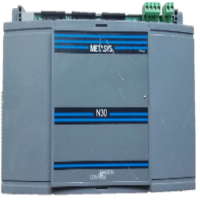
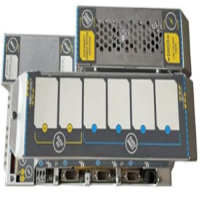
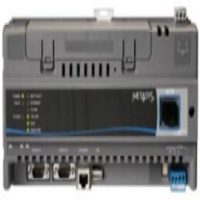
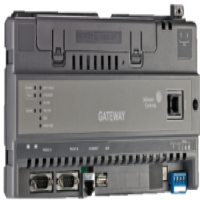
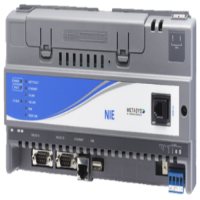
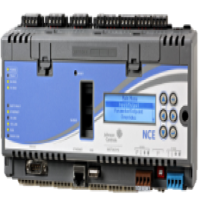
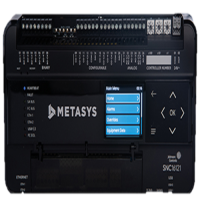
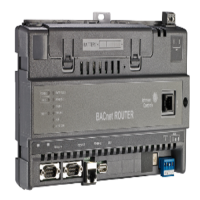
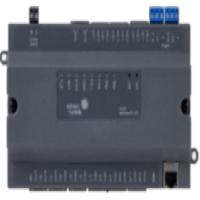
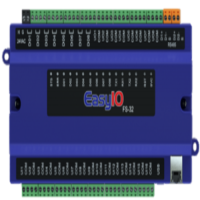
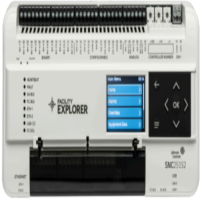
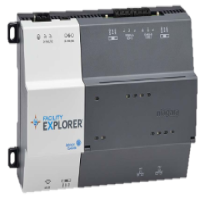
A network-based DDC (Direct Digital Controller) is a digital control device used in Building Management Systems (BMS). Its function is to collect data from sensors and control building equipment based on pre-programmed logic. Operating on a network platform, it enables real-time data synchronization with the central system, ensuring more accurate and automated operations.
(1).jpg)
A network-based DDC controller in a BMS is typically designed with a modular structure, allowing easy expansion, integration, and stable operation across different types of buildings:
- Central Processing Unit (CPU): Acts as the “brain” of the device, executing control logic, processing algorithms, and issuing commands based on collected data.
- Network Communication Ports: Enable the DDC controller to connect to the BMS via standard protocols such as BACnet/IP, Modbus TCP, or Ethernet, ensuring fast and reliable data synchronization.
- Input/Output (I/O) Modules: Receive signals from sensors (temperature, pressure, flow, etc.) and send control signals to actuators such as valves, fans, pumps, or dampers in HVAC systems.
- Memory and Control Programs: Store operational logic, control scenarios, and system configurations, allowing the controller to operate independently or within a BMS network.
- Power Supply and Protection Unit: Ensures stable operation, protects against overload and electrical interference, and supports continuous operation in building and industrial environments.
Thanks to this structure, network-based DDC controllers offer flexible operation, deep integration with BMS, and strong performance in modern building automation.
Network-based DDC controllers play a critical intermediary role in BMS, connecting field devices with the central management platform to ensure synchronized and automated operation:
- Field Data Collection: Capture signals from sensors such as temperature, humidity, pressure, flow, and equipment status.
- Technical Equipment Control: Directly control systems like HVAC, lighting, pumps, fans, and control valves based on programmed logic.
- Data Transmission to BMS: Send operational data to the central BMS for real-time monitoring, analysis, and visualization.
- Operational Optimization: Reduce manual intervention, enabling fast system response to real-world conditions and improving energy efficiency.
In building automation, DDC controllers are a core component that ensures stable, accurate, and flexible system performance across various types of facilities.
Network-based DDC controllers are widely applied across building systems to ensure precise, automated, and synchronized control:
- HVAC Systems: The most common application, controlling temperature, humidity, and ventilation to maintain stable environments and optimize energy use.
- Lighting Systems: Automatically switch on/off or adjust brightness based on schedules, lighting conditions, or motion sensors.
- Water Supply and Drainage Systems:Control pump operations, maintain stable pressure, and regulate water flow according to actual building demand.
- Integrated BMS Platforms: Act as a data bridge connecting technical systems, enabling centralized monitoring and control within the BMS.
With flexible integration capabilities, network-based DDC controllers are essential in modern building automation, from small facilities to large-scale projects.
Below are some common questions to clarify the role and applications of network-based DDC controllers in BMS systems:
It is a digital control device with network connectivity used in BMS.
DDC is mainly used for buildings and HVAC, while PLC is typically used in industrial automation.
Yes, but it performs best when integrated within a BMS.
It can control HVAC, lighting, pumps, and other building technical systems.
A network-based DDC controller is a key component in BMS, acting as an intermediary to connect, control, and optimize the operation of building systems. With its high level of automation, it not only improves management efficiency but also contributes to energy savings and long-term operational cost reduction.
Contact Tri Viet Controls today for advice on the most suitable network-based DDC controller solution to optimize BMS system operation, enhance automation efficiency, and save energy for your project.







Please leave your information, we will contact you to complete the order!