A smart home system can only operate efficiently when all devices are connected and managed on a unified platform. Home Center serves as the smart home's central controller, synchronizing data, automating operational scenarios, and enabling remote control of connected devices. This article will help you understand the architecture, functions, and practical applications of Home Center in a smart home system.
What Is the Home Center Central Controller?
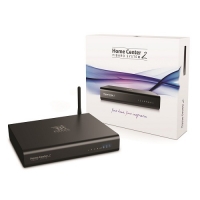
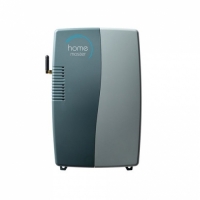
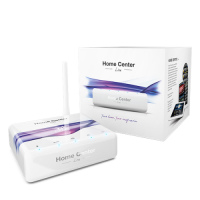
Home Center is the central controller of a smart home system, responsible for connecting, managing, and coordinating the operation of devices such as lighting, curtains, air conditioners, door locks, sensors, and cameras. It collects data from connected devices, processes automation scenarios, and sends control commands based on user-defined settings.
With support for multiple communication protocols such as Z-Wave, Zigbee, Wi-Fi, and Ethernet (depending on the product model), Home Center enables the entire smart home system to operate seamlessly on a unified management platform.
Components of the Home Center Central Controller
To manage and automate an entire smart home system, Home Center integrates both hardware and software components that collect data, process automation scenarios, and connect smart devices through a single platform.
The main components include:
- Central Processing Unit (CPU): The "brain" of the smart home central controller, responsible for receiving data from sensors and connected devices, processing automation scenarios, and sending real-time control commands to individual devices.
- Storage Memory: Stores system configurations, device information, automation scenarios, operation history, and event logs, ensuring stable system performance and allowing easy recovery when needed.
- Communication Modules: Integrates communication protocols such as Z-Wave, Zigbee, Wi-Fi, Bluetooth, or Ethernet (depending on the Home Center model), enabling communication with switches, sensors, lighting, door locks, air conditioning systems, and other IoT devices.
- Power Supply and Connectivity Ports: Ensure continuous operation while supporting LAN or Internet connectivity for data synchronization and remote access.
- Management Platform and Mobile Application: Allow users to configure the system, create automation scenarios, monitor device status, and manage Home Center through a web interface or smartphone application.
.jpg)
The Role of Home Center in a Smart Home System
Within a smart home ecosystem, Home Center functions as the central controller, responsible for connecting devices, processing data, and coordinating system operations. This enables all connected devices to work together automatically and respond intelligently to users' needs.
Its key functions include:
- Centralized device management: Home Center connects lighting, curtains, air conditioners, door locks, cameras, and sensors on a single platform, allowing users to monitor, configure, and control all devices without switching between multiple applications.
- Automation scenario management: Based on sensor data, schedules, or user actions, the central controller automatically executes scenarios such as "Away," "Home," "Night," or "Energy Saving," ensuring all devices operate in sync.
- Remote monitoring and control: Users can monitor device status, receive notifications, and control the entire system through a smartphone or computer from anywhere with an Internet connection.
- System integration and scalability: Home Center supports integration with a wide range of IoT devices and communication protocols, making it easy to expand the system or connect with security cameras, Access Control systems, HVAC equipment, and Building Management Systems.
- Enhanced security and energy efficiency: The controller can automatically switch off unnecessary devices, optimize operations based on user habits, and send alerts when detecting incidents such as intrusion, water leakage, or fire, improving safety while reducing operating costs.
Practical Applications of Home Center
Thanks to its ability to connect multiple devices and support flexible automation, Home Center is widely used in residential, commercial, and hospitality projects.
Common applications include:
- Smart homes and villas: Centrally manages lighting, air conditioning, curtains, door locks, surveillance cameras, and sensors to improve comfort, security, and energy efficiency.
- Luxury apartments: Allows residents to remotely control smart devices, create automated daily routines, and receive alerts in the event of unusual door activity or water leaks.
- Offices and showrooms: Automatically controls lighting, air conditioning, and electrical equipment according to work schedules or occupancy, helping reduce operating costs and improve management efficiency.
- Hotels, resorts, and serviced apartments: Integrates with door locks, HVAC systems, lighting, and sensors to automatically adjust room status during check-in, check-out, or guest occupancy.
- Smart Home and Smart Building projects: Home Center can integrate with numerous IoT devices and building management systems, providing a unified control platform that can be easily expanded as requirements evolve.
.jpg)
Frequently Asked Questions About Home Center
Is Home Center a mandatory device in a smart home system?
For smart home systems requiring centralized management and automation, Home Center is an essential component that connects and coordinates all smart devices.
Can Home Center control devices from different manufacturers?
Depending on the model, Home Center supports multiple communication protocols and can integrate with devices from various manufacturers.
Does Home Center continue to operate without an Internet connection?
Most local automation scenarios continue to function normally even if the Internet connection is lost. However, remote control features require an active Internet connection.
Can the system be expanded after installation?
Yes. Users can add sensors, smart switches, door locks, or other smart home devices as long as the central controller supports the corresponding communication protocol.
Home Center is a comprehensive solution for connecting, managing, and automating all devices within a smart home system, delivering greater convenience, enhanced security, and optimized operational efficiency. If you are looking for the right smart home central controller for your project, contact Tri Viet Controls for professional consultation and a customized solution tailored to your needs.