Tầng 8, Tòa nhà Sannam, số 78 Phố Duy Tân, P.Dịch Vọng Hậu, Q. Cầu Giấy, Tp. Hà Nội, Việt Nam

Advisory
Direct: 0904565626
Advisory
Direct: 0904565626
Even in office buildings, factories, or shopping malls, the ability to detect fires at an early stage is always a critical factor in the effectiveness of a fire protection system. In this system, fire alarm field devices play a direct role in detecting abnormal signs and sending signals to the central control panel, enabling rapid alerts and minimizing risks when incidents occur.
Fire alarm field devices are installed in monitored areas to detect signs of fire hazards at an early stage and transmit signals to the fire alarm control panel for processing.
These devices are considered the “eyes and ears” of a fire alarm system, as the speed and accuracy of incident detection largely depend on their quality and sensitivity.
Depending on application requirements, fire alarm field devices can detect various factors such as smoke, abnormal temperature increases, or flames within the monitored area.
Depending on the installation environment and monitoring requirements, a fire alarm system may use different types of fire alarm field devices to improve incident detection and reduce false alarms.
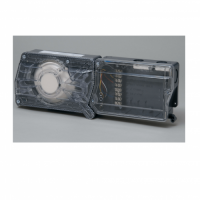
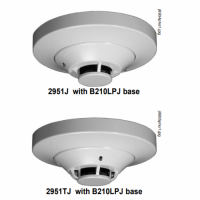
Smoke detectors are among the most commonly used fire alarm field devices in offices, hotels, apartment buildings, and shopping malls. These devices can detect smoke particles in the air during the early stages of a fire and send signals to the control panel to activate alarms. Thanks to their early detection capability, smoke detectors provide more time for emergency response and support more effective evacuation procedures.
Heat detectors operate based on temperature changes within the monitored area. This type of fire detection sensor is suitable for locations with dust, steam, or smoke generated during normal operations, such as kitchens, factories, and technical rooms. Compared to smoke detectors, heat detectors help reduce false alarms and maintain system stability.
Flame detectors are fire detection devices capable of identifying infrared or ultraviolet radiation emitted by flames. These devices are commonly installed in fuel storage facilities, chemical plants, and areas with a high risk of fire or explosion. Their main advantage is rapid response, enabling timely system alerts when flames appear.
In addition to automatic detection devices, manual call points allow users to activate the fire alarm system when a fire is discovered. These devices are typically installed in corridors, lobbies, or emergency exits for easy access during emergencies. They are important components that improve the overall response capability of the fire alarm system.
.jpg)
Fire alarm field devices operate by continuously monitoring abnormal environmental conditions and transmitting signals to the control panel when fire risks are detected.
The basic operating process includes:
- Continuously monitoring factors such as smoke, temperature, or flames within the installation area
- Detecting abnormal changes that exceed preset system thresholds
- Converting detected conditions into electronic signals and transmitting them to the fire alarm control panel
- The control panel receives, analyzes, and confirms the alarm condition
- Activating sirens, warning lights, or interconnected devices when an incident is verified
- Recording and storing information for system monitoring and management purposes
Thanks to their automatic and continuous operation, fire alarm field devices help detect fire hazards at an early stage, enabling timely responses and improving overall safety performance for facilities.
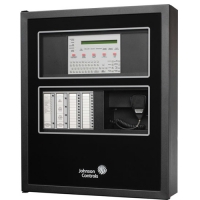
Within the entire fire alarm system, fire alarm field devices are the first components to detect fire risks and provide data to the central processing unit.
Some important roles include:
- Early detection of smoke, heat, or flames in monitored areas
- Rapid warning to help occupants evacuate proactively during emergencies
- Reducing potential loss of life and property
- Improving the effectiveness of automatic fire alarm systems
- Meeting fire safety requirements for modern facilities
Therefore, selecting and installing the right field devices is crucial to the overall performance of a fire alarm system.
.jpg)
To ensure accurate detection and long-term stable performance, several factors should be considered before choosing fire alarm devices.
Important criteria include:
-Selecting devices suitable for the installation environment
- Ensuring high sensitivity and accurate detection capability
- Prioritizing products that comply with fire safety standards and have clear origins
- Compatibility with the existing fire alarm system of the facility
- High durability and stable long-term operation
- Comprehensive warranty and technical support services
Choosing the right fire detection sensors will improve system performance and minimize unnecessary false alarms.
>>> You might also be interested in: Fire alarm systems – Fire detection and warning solutions for buildings
Tri Viet Controls specializes in supplying fire alarm field devices and fire protection solutions for various types of facilities. Key strengths of Trí Việt Controls include:
- Providing a wide range of genuine fire detection devices
- Consulting suitable solutions based on project scale and requirements
- Supporting the design and implementation of integrated fire alarm systems
- A technical team with extensive practical experience
Clear warranty policies and technical support services
With experience from numerous real-world projects, Trí Việt Controls has become a trusted partner for many businesses investing in fire alarm systems.
Fire alarm field devices are essential components that help detect fire hazards at an early stage and improve the effectiveness of the entire fire protection system. Choosing the right fire alarm field devices contributes significantly to protecting facilities, assets, and human lives throughout long-term operations.








Please leave your information, we will contact you to complete the order!