Tầng 8, Tòa nhà Sannam, số 78 Phố Duy Tân, P.Dịch Vọng Hậu, Q. Cầu Giấy, Tp. Hà Nội, Việt Nam

Advisory
Direct: 0904565626
Advisory
Direct: 0904565626
Lack of security control, difficulty in monitoring building activities, or dependence on security personnel are common issues today. This is also the reason why security camera systems are increasingly being invested in more systematically. With the development of surveillance camera systems and smart IP technology, businesses can proactively monitor 24/7, reduce risks, and improve operational efficiency across entire buildings.
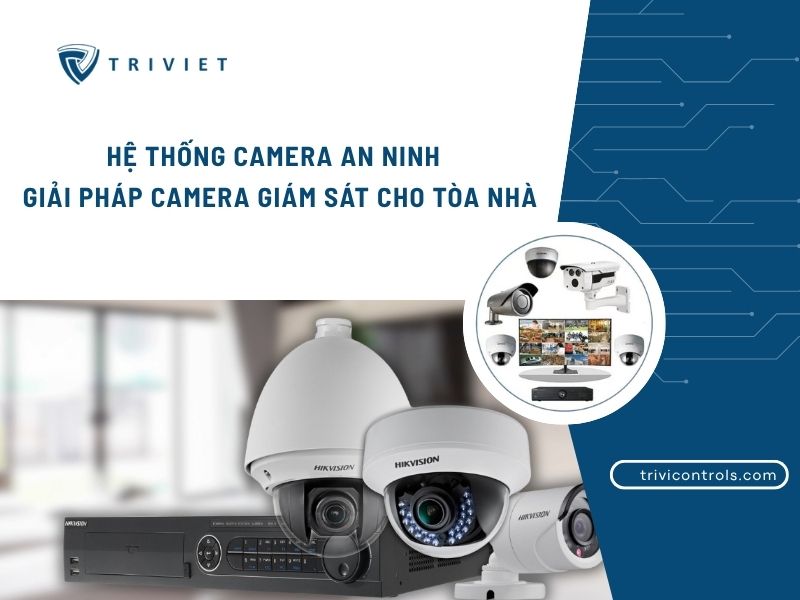
A security camera system is a monitoring solution that uses recording devices to track, store, and manage activities within a specific area. For large-scale projects such as buildings, deploying a building surveillance camera system helps control entry and exit, ensure safety of assets and people.
Currently, IP surveillance camera systems and smart surveillance camera systems are widely used due to their flexible connectivity, remote management capabilities, and advanced features integration.
To operate effectively, a security camera system typically consists of multiple closely integrated components:
- Surveillance cameras: Capture images at monitoring locations within the system.
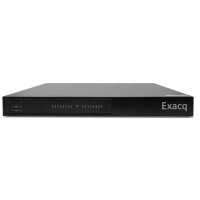
- Recording device (DVR/NVR): Stores and processes data from cameras.
- Storage hard drive: Ensures long-term video retention.
- Wired or network system: Connects all devices in the security system.
- Display devices: Monitors, phones, or computers used for viewing footage.
Thanks to this structure, building security camera systems can operate stably and continuously.
.jpg)
The operating principle of surveillance camera systems in a security camera setup is not just about recording, but a closed-loop process including: capture – transmission – processing – storage – display.
1. Image capture from cameras
Cameras use CMOS/CCD sensors to capture images and convert them into digital signals.
2. Data transmission to the central system
Image data is transmitted via cable (analog) or internet network in IP systems, ensuring stable and continuous signals.
3. Data processing and encoding
DVR/NVR or servers process, compress, and encode data to optimize storage and transmission speed.
4. Video storage
Footage is stored on hard drives or cloud systems for later retrieval when needed.
5. Real-time monitoring and display
Users can monitor directly via screens, phones, or computers through smart surveillance systems.
6. AI analytics and alerts
Modern systems integrate AI to detect motion, recognize faces, and alert unusual intrusions.
.jpg)
In a security camera system, cameras are classified by technology and design, helping select the right device for each area.
- Analog cameras: Use coaxial cables, low cost, suitable for basic small-scale systems.
- IP cameras: Transmit data via internet, high resolution, easy to expand, widely used in modern systems.
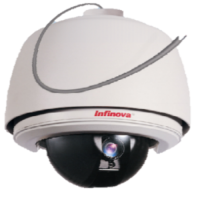
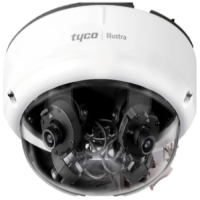
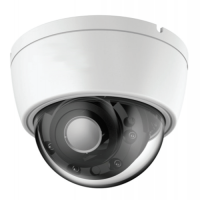
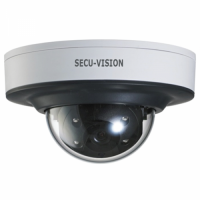
- Dome cameras: Compact, aesthetic, commonly installed indoors such as offices and hallways.
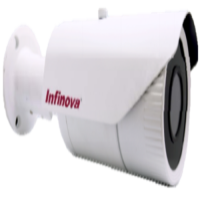
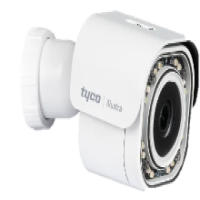
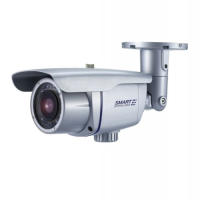
- Bullet cameras: Long body design, weather-resistant, suitable for outdoor areas.
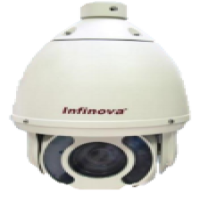
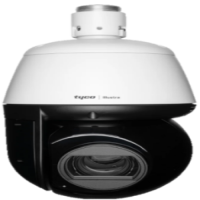
- PTZ cameras: Can pan, tilt, and zoom, used in large areas like parking lots or lobbies.
.jpg)
Security camera systems are widely applied across various fields for monitoring, management, and safety assurance.
- Buildings, apartments, offices: Control entry/exit, monitor hallways, elevators, and parking areas.
- Factories and warehouses: Track production processes and prevent asset loss.
- Shopping centers and retail stores: Monitor customer behavior and ensure security.
- Schools and hospitals: Ensure safety and support incident handling.
- Remote monitoring: IP systems allow users to view anywhere via mobile devices.
In large-scale projects, building surveillance camera systems become essential for centralized control and operational efficiency.
Beyond recording footage, surveillance camera systems play a key role in management and decision-making.
- 24/7 proactive security monitoring
- Improved operational management efficiency
- Transparent data and evidence collection
- Behavioral and traffic analysis for optimization
- Reduced labor costs and manual monitoring dependence
Thus, security camera systems are not just monitoring tools but a core foundation for modern building operations.
.jpg)
1. Which security camera system should be chosen?
IP systems are recommended for large buildings.
2. Can cameras be viewed remotely?
Yes, most modern systems support mobile viewing.
3. Is installation complicated?
Professional installation is required for long-term effectiveness.
4. How long is data stored?
Depends on storage capacity and system configuration.
In conclusion, security camera systems are not only monitoring tools but also comprehensive management solutions for modern buildings. Proper implementation improves safety, efficiency, and reduces long-term risks.








Please leave your information, we will contact you to complete the order!