Tầng 8, Tòa nhà Sannam, số 78 Phố Duy Tân, P.Dịch Vọng Hậu, Q. Cầu Giấy, Tp. Hà Nội, Việt Nam

Advisory
Direct: 0904565626
Advisory
Direct: 0904565626
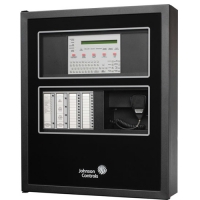
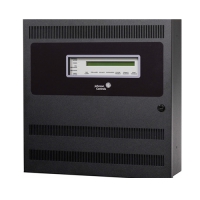
In fire protection systems, the fire alarm control panel plays a central role in receiving signals, processing alerts, and controlling all related devices when an incident occurs. This is an important device widely used in office buildings, factories, hotels, and many facilities that require high safety standards.
A fire alarm control panel is a central device used to receive and process signals from fire detection devices such as smoke detectors, heat detectors, or emergency call points within a fire protection system.
When an incident is detected, the panel activates sirens, warning lights, and sends control signals to related devices to support timely alerts and incident handling.
Currently, fire alarm system control panels are widely used in:
- Office buildings
- Apartments and hotels
- Manufacturing factories
- Shopping malls
- Warehouses and industrial zones
A fire alarm control panel usually consists of multiple components working together to receive signals, process alerts, and control the entire fire alarm system within a facility.
Main components include:
- A central processing unit responsible for receiving and processing signals from fire detectors
- Power supply and backup batteries to maintain system operation during power outages
- Display screens showing operational status and incident locations
- Connection modules used to connect sirens, lights, detectors, and peripheral devices
- Control keyboards supporting system setup, inspection, and operation
The operating principle is relatively simple: when detectors identify abnormal smoke or heat, signals are transmitted to the central panel for processing. The system then activates sirens, warning lights, and related devices to support timely incident handling.
.jpg)
The fire alarm system control panel operates based on receiving signals from input devices and processing alerts according to pre-programmed settings.
When smoke detectors, heat detectors, or emergency call points detect an incident, signals are transmitted to the central panel for processing. After confirming the fire alarm status, the system activates sirens, warning lights, and controls related devices such as smoke exhaust fans, emergency exits, or elevators.
The entire process occurs almost instantly to support early detection and rapid response in case of fire.
Currently, fire alarm control panels are classified into different types depending on the technology and system scale used.
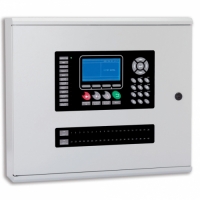
This is a common type of panel with reasonable investment costs, suitable for small and medium-sized facilities. The system operates by zones, making installation and operation easier; however, its ability to precisely identify incident locations is more limited compared to addressable systems.
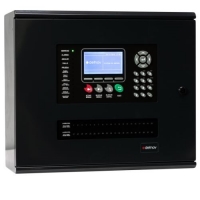
Smart addressable fire alarm control panels can accurately identify each device transmitting signals within the system.
This solution is suitable for:
- Large buildings
- Shopping malls
- Large-scale factories
- Facilities requiring detailed management
In addition to better monitoring capabilities, the system also supports expansion and integration with many smart devices.
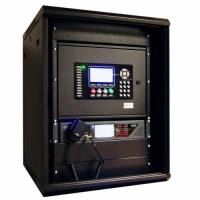
These are modern panels capable of connecting with BMS, monitoring systems, or centralized management software. The devices are suitable for modern facilities requiring synchronized management and operation capabilities.
.jpg)
Thanks to their continuous monitoring capabilities and rapid alert processing, fire alarm control panels are now widely applied in many facilities requiring high fire safety standards.
The devices are commonly deployed in:
- Office buildings and shopping malls to centrally control fire alarm systems and support rapid incident handling
- Apartments and high-rise residential buildings to provide timely warnings during fires and help ensure resident safety
- Hotels, resorts, and hospitals where there is a high density of occupants, requiring continuously stable monitoring systems
- Manufacturing factories, warehouses, and industrial zones to minimize fire and explosion risks affecting machinery, goods, and operations
- Schools, training centers, and public facilities to improve incident detection and support faster evacuation when necessary
Deploying central fire alarm systems not only helps detect fire risks early but also supports safety management, minimizes damage, and improves stable facility operation.
To ensure stable system operation and meet safety requirements, businesses should choose fire alarm control panels suitable for the scale and characteristics of their facilities.
Some important criteria include:
- Choosing the appropriate panel type based on system scale and number of devices
- Prioritizing equipment with clear origins and certified fire safety standards
- Ensuring expandability and integration capabilities with related systems
- Selecting panels with stable operation and easy maintenance
- Prioritizing suppliers with technical support and clear warranty policies
Choosing the right central fire alarm system equipment helps improve stability, ensure safety, and optimize long-term operational efficiency.
(1).jpg)
Fire alarm control panels are important devices that help monitor, process, and quickly alert users when incidents occur within fire protection systems. Choosing the right fire alarm system control panel not only enhances facility safety but also ensures stable operation and long-term efficiency.
To ensure a fire protection system operates reliably and efficiently, choosing high-quality equipment and an experienced implementation partner is essential. Tri Viet Controls provides fire alarm control panel solutions tailored to a wide range of facilities, including office buildings, hotels, residential apartments, factories, warehouses, and industrial parks. With a focus on safety, performance, and long-term reliability, our solutions are designed to meet the specific requirements of each project while supporting effective fire detection and emergency response.
>>> Learn More: Fire Alarm Systems for Buildings – Early Detection and Emergency Warning Solutions







Please leave your information, we will contact you to complete the order!