Tầng 8, Tòa nhà Sannam, số 78 Phố Duy Tân, P.Dịch Vọng Hậu, Q. Cầu Giấy, Tp. Hà Nội, Việt Nam

Advisory
Direct: 0904565626
Advisory
Direct: 0904565626
In automation systems, smart homes, smart hotels, or modern security solutions, data is always the deciding factor for the precise operation of the entire system. To collect and respond to changes from the surrounding environment, sensor devices act as a "bridge" between humans, equipment, and control systems, helping to improve management efficiency, save energy, and optimize the user experience.

A sensor device is a tool capable of detecting, measuring, or recognizing environmental changes such as temperature, humidity, light, motion, smoke, gas, or human presence. After receiving the signal, the sensor converts it into data to send to the control system or related devices to execute appropriate tasks.
Thanks to their fast response time and automated operation, sensor devices are currently widely used in various fields such as smart homes, hotels, buildings, industries, security, and fire safety.
Depending on the purpose of use, sensor devices are developed in many different types to meet the monitoring and control requirements in each specific environment.
Devices that detect the movement of people or objects within the monitored area. This is a type of sensor device commonly used in security systems, automated lighting, and smart homes.
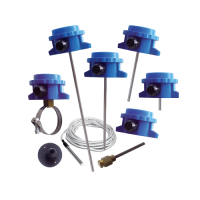
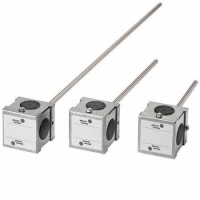
This type of sensor helps monitor environmental parameters in real-time, thereby supporting air conditioning, ventilation, and energy management systems to operate more efficiently.
Devices capable of recognizing ambient light intensity and automatically controlling the lighting system accordingly. This solution contributes to saving energy and enhancing automation for projects.
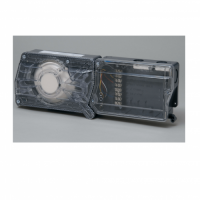
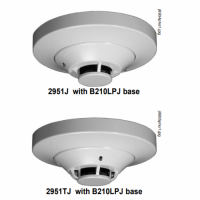
This is a critical group of sensor devices in safety systems. The devices can detect early signs of smoke, gas, or abnormal indications to trigger timely alerts.
Devices used to monitor the open/close status of doors and support security control. This type of sensor is often integrated into smart home systems, smart hotels, and access control solutions.
.jpg)
See also: What are smart door sensors? The most common types of door sensors
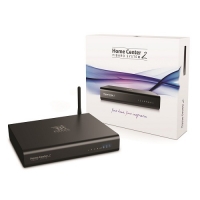
Although designed for many different purposes, most sensor devices consist of basic components that help capture, process, and transmit data to the control system.
This is the component that directly detects environmental changes such as temperature, humidity, light, motion, or smoke. The accuracy of the sensor device largely depends on the quality of this unit.
After receiving the data, the processor converts the signal into information that the system can recognize and utilize. At the same time, this component helps improve the stability and accuracy of the output data.
This unit is responsible for transmitting data from the sensor device to the central controller or related management systems via wired or wireless connections.
The power source helps the sensor device operate stably and maintain continuous monitoring capabilities. Depending on the type of device, the power supply can be main grid electricity, a DC source, or batteries.
Thanks to their ability to automatically detect and respond in real-time, sensor devices bring many benefits to the management and operation of systems.
- Automate multiple operational tasks.
- Respond quickly to environmental changes.
- Enhance accuracy in monitoring and control.
- Support energy savings and lower operating costs.
- Strengthen security and safety monitoring capabilities.
- Easily integrate with smart home systems or Building Management Systems (BMS).
- Support centralized management and remote control.
.jpg)
With the ability to collect data and respond automatically, sensor devices are currently widely applied in various fields.
- Smart homes and smart apartments.
- Smart hotels and resorts.
- Automated lighting systems.
- Air conditioning and energy management systems.
- Security and access control systems.
- Factories and production assembly lines.
- Fire alarm and incident warning systems.
- Office buildings and commercial centers. The application of sensors helps improve operational efficiency, reduce reliance on manual tasks, and optimize the overall user experience.
To ensure sensor devices operate accurately and achieve maximum efficiency, several factors need to be considered during implementation and use. Each type of sensor is designed for a specific purpose, so it is necessary to clearly define your needs before selecting a device.
- Correct positioning for installation: The installation location directly affects the signal capture capability and the accuracy of the sensor during operation.
- Ensuring suitable environmental conditions: Some sensors have specific requirements regarding temperature, humidity, or dust levels, so it is crucial to choose a device that fits the actual operating environment.
- Routine inspection and maintenance: Regular checks help detect arising faults early and ensure that the sensor device always operates stably.
.jpg)
Choosing the right supplier not only guarantees equipment quality but also directly impacts the operational efficiency of the entire system. Tri Viet Controls is currently a specialized unit providing sensor device lines for smart homes, smart hotels, automation systems, and commercial projects.
- Providing genuine, high-quality equipment.
- Offering a diverse range of sensor types for multiple applications.
- Consulting on suitable solutions tailored to each project.
- Supporting installation and system configuration.
- Providing long-term warranty policies and technical support.
Today, sensor devices are no longer just supportive components but have become critical factors in automation, security, and smart management systems. Selecting the right equipment and appropriate solutions will help improve operational efficiency, save costs, and optimize the user experience for every project.








Please leave your information, we will contact you to complete the order!