Lighting not only fulfills illumination needs but also contributes to improving road safety, enhancing public security, and building modern urban environments. With the advancement of technology, Urban Lighting Systems are increasingly integrated with intelligent control solutions that help save energy, optimize operations, and support centralized management. This article will help you understand the structure, common types, and key benefits of implementing an urban lighting solution.
What Is an Urban Lighting System?
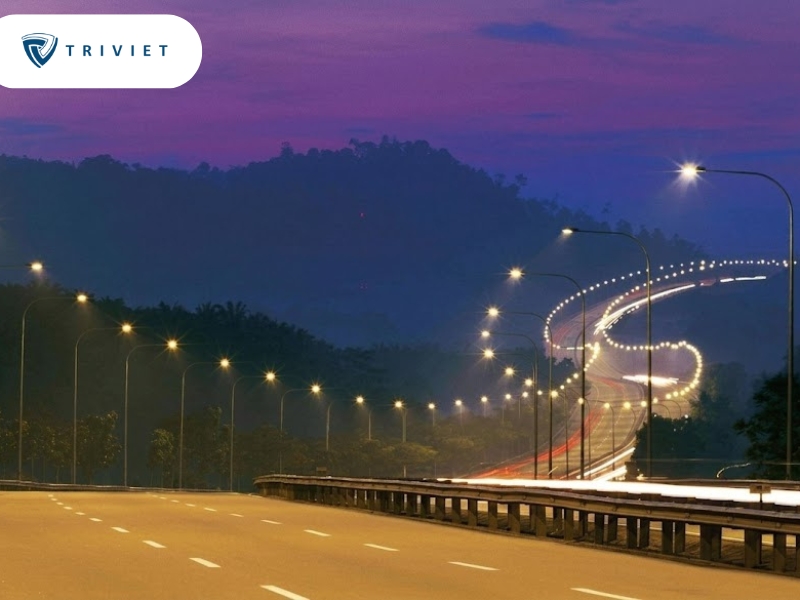
An Urban Lighting System is a combination of equipment and engineering solutions designed to provide lighting for streets, residential areas, parks, public squares, and other public spaces. The system not only ensures adequate nighttime illumination but also contributes to traffic safety, public security, and urban aesthetics.
Today, Urban Lighting Systems are commonly integrated with LED technology, sensors, and intelligent control platforms, enabling remote monitoring, centralized management, and optimized energy consumption.
Why Are Urban Lighting Systems Essential for Modern Cities?
As cities continue to expand, the demand for efficient infrastructure management is increasing, especially for public lighting systems. A modern Urban Lighting System not only provides illumination but also improves management efficiency, reduces energy consumption, and supports the development of smart cities.
Key benefits include:
- Enhancing road safety: Maintains appropriate illumination levels on roads, intersections, and public spaces, allowing drivers and pedestrians to see more clearly while reducing the risk of accidents at night or during adverse weather conditions.
- Improving public security and urban safety: Proper lighting enhances the effectiveness of surveillance cameras, supports law enforcement agencies, and helps reduce crime in public areas.
- Optimizing energy consumption: LED lighting combined with intelligent controllers enables brightness adjustment based on schedules or traffic volume, reducing electricity consumption and operating costs.
- Improving maintenance efficiency: Enables real-time monitoring of each lighting point, remote fault detection, and proactive maintenance planning, reducing repair time and maintenance expenses.
- Supporting smart city development: Urban Lighting Systems can integrate with IoT platforms, surveillance cameras, environmental sensors, and traffic management centers, creating a unified infrastructure management platform and improving overall city operations.
Components of an Urban Lighting System
A complete Urban Lighting System consists of multiple components working together to provide stable illumination, maximize energy efficiency, and simplify operation and maintenance.
The main components include:
- Lighting fixtures: Primarily high-efficiency LED luminaires that offer long service life, energy savings, and dimming capabilities.
- Lighting poles and brackets: Structural components used to install lighting fixtures, designed according to the height, load requirements, and installation conditions of specific roads or public areas.
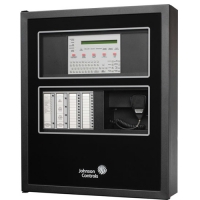
- Lighting control cabinet: Responsible for power switching, equipment protection, operating schedules, and managing individual lighting circuits.
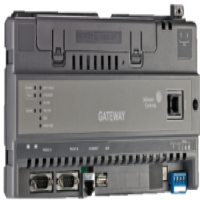
- Smart lighting controller: Enables control at either the control cabinet level or individual lighting points, monitors operating status, and supports remote brightness adjustment.
- Communication network and management software: Connects all lighting devices to the central control center through communication networks, enabling centralized monitoring, fault alerts, and comprehensive management of the Urban Lighting System.
.jpg)
Common Types of Urban Lighting Systems
Depending on project requirements and scale, Urban Lighting Systems can be deployed using different architectures.
- Traditional lighting systems: Controlled by timers or photocell sensors, suitable for basic lighting projects.
- LED lighting systems: Utilize high-efficiency LED luminaires to reduce energy consumption and maintenance costs.
- Smart Lighting Systems: Support remote control, monitor the operating status of individual lighting points, and automatically adjust brightness based on traffic flow or environmental conditions.
- Solar-powered lighting systems: Combine solar panels with battery storage, making them suitable for remote locations or projects focused on sustainable development.
Benefits of Implementing an Urban Lighting System
Investing in a modern Urban Lighting System not only improves urban infrastructure but also delivers long-term operational and economic benefits.
- Reduced energy costs: Optimizes electricity consumption through LED technology and intelligent lighting controls.
- Lower maintenance costs: Real-time equipment monitoring enables rapid fault detection and efficient maintenance.
- Improved public safety and quality of life: Provides stable and reliable lighting conditions for residents, pedestrians, and vehicles.
- Centralized management and efficient operation: Enables monitoring, control, and data analysis through a unified management platform while reducing operational manpower.
- Supporting smart city development: Easily integrates with IoT platforms, Building Management Systems (BMS), surveillance cameras, and Smart City platforms, creating a solid foundation for modern urban infrastructure management.
.jpg)
An Urban Lighting System is a critical solution for improving public safety, reducing energy consumption, and optimizing urban infrastructure management. If your organization or project requires a modern urban lighting solution, Tri Viet Controls is ready to provide professional consultation, system design, and implementation tailored to your project's specific requirements.