Tầng 8, Tòa nhà Sannam, số 78 Phố Duy Tân, P.Dịch Vọng Hậu, Q. Cầu Giấy, Tp. Hà Nội, Việt Nam

Advisory
Direct: 0904565626
Advisory
Direct: 0904565626
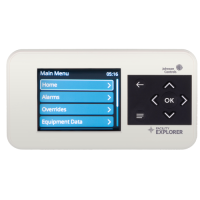
In modern building management systems, HDMI display screens play an important role in visualizing data and monitoring operations in real time. This device helps operators track system status intuitively, thereby improving management efficiency and overall control of the building.
To better understand its role, it is necessary to start with the basic concept.
An HDMI display screen is a display device that uses the HDMI (High-Definition Multimedia Interface) standard to transmit high-quality audio and video signals.
It can connect to computers, controllers, or central systems to present data visually.
With high resolution and stable transmission, HDMI displays are widely used in technical and management applications.
When deployed in building management systems, an HDMI display for BMS systems is not just a display device but also a visual monitoring tool.
- Displays real-time data from BMS software
- Presents key information such as HVAC, electrical, water, and security systems in diagrams, charts, or dashboards
- Connects directly to the BMS server or central controllers (DDC/PLC) via HDMI
- Helps operators monitor equipment status, detect faults, and control systems quickly
Thanks to clear visualization and continuous updates, an HDMI display for BMS systems enhances monitoring efficiency and ensures stable building operation.
.jpg)
In building management, an HDMI display for BMS systems acts as a central display device that visualizes all operational data.
- Receives data from BMS software and displays it in real time
- Information such as HVAC, electrical, water, and security is presented in easy-to-read diagrams and dashboards
- Connects directly to servers or central controllers (DDC/PLC) via HDMI for stable signal transmission
- Supports operators in quickly identifying system status and handling abnormalities
This capability helps optimize building operations and improve monitoring efficiency.
>>> See also: What is a BMS system display screen? A detailed explanation from A-Z
In building systems, the central control display is more than just a screen—it is a key tool for efficient operation and system control.
- Centralized monitoring: Displays all system data (HVAC, electrical, water, security) on a single screen
- Fast decision-making: Enables quick detection and handling of issues
- High visualization: Data is shown through diagrams and charts for easy understanding
- Integration with BMS software: Synchronizes data and supports centralized control
These roles ensure stable, safe operation and minimize risks.
.jpg)
Beyond basic display functions, HDMI display screens for BMS systems offer many operational benefits:
- High image quality: Supports Full HD and 4K resolution for clear data visualization
- Stable connectivity: HDMI ensures fast and low-noise signal transmission
- Easy integration: Compatible with various BMS and control systems
- 24/7 operation: Designed for continuous operation in building environments
- User-friendly interface: Clear display helps operators monitor and respond quickly
These advantages make HDMI displays a popular choice in modern buildings.
Depending on system requirements, HDMI display screens come in various types:
- Industrial displays: Durable and stable, suitable for technical environments
- Monitoring screens (monitors): Used in control rooms for continuous system tracking
- Video walls: Combine multiple screens for large-scale data visualization
- Touchscreen displays: Allow direct interaction, ideal for modern control systems
Choosing the right type helps optimize display performance and system efficiency.
.jpg)
Thanks to flexibility and stable connectivity, HDMI display screens are widely used:
- Office buildings: Display real-time BMS data for efficient management
- Shopping malls: Monitor HVAC, lighting, and security systems
- Hotels: Track room status and technical systems
- Factories and data centers: Display operational data and system alerts
These applications highlight the importance of central control displays in modern systems.
Choosing the right supplier directly impacts the performance and reliability of HDMI display systems.
- Provides a wide range of HDMI display products for different system scales
- Offers project-based consulting to ensure the right solution
- Supports integration with BMS systems for centralized management
- Provides technical support during deployment and operation
With a solution-oriented approach, Trí Việt Controls ensures stable operation and optimized performance for HDMI display systems.
HDMI display screens are essential solutions for visualizing data, supporting monitoring, and controlling BMS systems effectively. Choosing the right HDMI display not only optimizes operations but also enhances management capabilities, ensuring stable and sustainable building performance in the long term.







Please leave your information, we will contact you to complete the order!