Tầng 8, Tòa nhà Sannam, số 78 Phố Duy Tân, P.Dịch Vọng Hậu, Q. Cầu Giấy, Tp. Hà Nội, Việt Nam

Advisory
Direct: 0904565626
Advisory
Direct: 0904565626
In modern construction projects, the risk of fire and explosion is always present if not controlled in time. Therefore, the fire alarm system has become an essential solution that helps detect and warn early when incidents occur. With the development of smart fire alarm systems and automatic fire alarm systems, buildings can actively monitor, minimize damage, and ensure safety for both people and assets.

A fire alarm system is a set of devices designed to detect and warn when signs of fire such as smoke, heat, or flame are present. In large buildings, implementing a building fire alarm system helps detect incidents early, enabling timely response and evacuation.
Today, automatic fire alarm systems and smart fire alarm systems are widely used thanks to their continuous operation, high accuracy, and integration of modern technologies.
Depending on scale, type, and safety requirements, building fire alarm systems are designed differently to meet protection needs for people and property. Choosing the right system improves monitoring efficiency, reduces fire risks, and optimizes operational costs.
The conventional fire alarm system is a basic solution suitable for small and medium-sized buildings:
- Operates by zones, detecting fire based on smoke or heat signals.
- Simple installation, low cost, easy to expand in the future.
- Easy to operate and maintain, suitable for small offices, houses, or shops.
However, although simple, this system cannot accurately identify the exact fire location, which may result in slower response time.
.jpg)
For high-rise buildings, shopping malls, or industrial zones, the addressable fire alarm system is an optimal choice:
- Each device has a unique address, allowing precise identification of the fire location.
- Reduces inspection and response time, especially in crowded buildings.
- Easily integrates with building management systems, surveillance cameras, or other alarm systems.
Compared to conventional systems, addressable solutions enhance incident control, reduce property damage, and minimize risks for users.
The automatic fire alarm system is designed to detect and warn immediately when danger signs appear, suitable for crowded areas:
- Reduces dependence on human monitoring and ensures 24/7 effectiveness.
- Automatically activates alarms, warning lights, and sends signals to the control center.
- Usually integrated with smoke, heat, or flame sensors for early detection.
This system is ideal for offices, commercial centers, warehouses, and factories where early detection is critical for safety.
In the modern technology era, the smart fire alarm system is the most advanced solution:
- Connected to a data network, allowing remote alerts via mobile phones or computers.
- Capable of analyzing data, reducing false alarms, and improving operational efficiency.
- Synchronizes with surveillance systems, access control systems, and building management systems.
With smart solutions, building managers can monitor the entire system, receive early warnings, and handle incidents quickly, improving overall safety standards.
.jpg)
Among modern solutions, smart fire alarm systems are increasingly preferred due to their superior benefits compared to traditional systems.
- Early detection and fast alerts: The system can identify smoke, heat anomalies, and trigger immediate warnings.
- Remote monitoring and management: Allows status tracking via mobile devices or computers.
- Reduced false alarms: Signal processing technology improves accuracy and reliability.
- Integration with other systems: Easily connects with security systems, elevators, and fire suppression systems.
- Optimized operation and cost efficiency: Reduces human dependency and improves overall management efficiency.
A complete building fire alarm system requires multiple devices working together to detect fire risks, issue timely warnings, and ensure safety for people and assets. Each device plays a specific but essential role in the system.
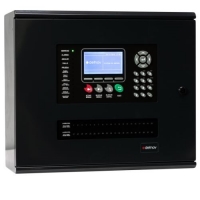
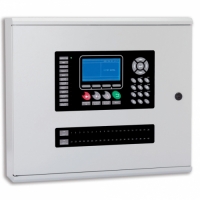
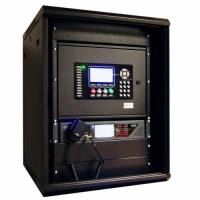
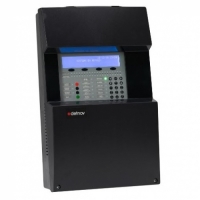
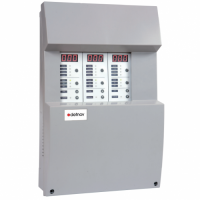
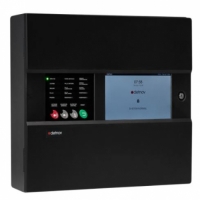
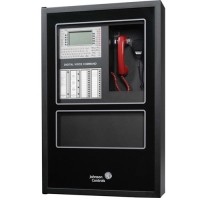
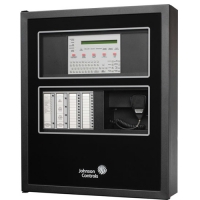
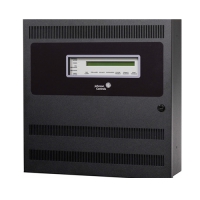
- Fire alarm control panel: Receives and processes signals from all devices, identifies fire locations, and activates alerts.
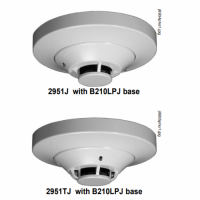
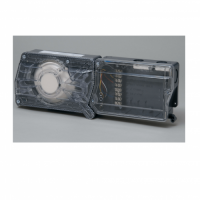
- Smoke detector: Detects early smoke and sends signals immediately to the control panel.
- Heat detector: Identifies abnormal temperature increases and works with smoke detectors for early warning.
- Alarm bells, sirens, and warning lights: Provide sound and visual alerts for evacuation.
- Manual call points: Allow users to manually activate the system when an incident is detected.
.jpg)
Installing a fire alarm system must comply with safety standards and regulations to ensure effectiveness and safety.
- Compliance with fire safety regulations according to legal requirements.
- Ensure equipment meets quality certification and safety inspections.
- Proper installation suitable for each type of building.
- Regular inspection and maintenance to ensure stable operation.
Especially for building fire alarm systems, compliance is mandatory for approval and operation.
Below are some common questions about fire alarm systems:
1. Is a fire alarm system mandatory?
Yes, for many types of buildings, a building fire alarm system is required by regulations.
2. Which fire alarm system should be chosen?
Depending on scale, you can choose a conventional or smart fire alarm system.
3. Does the fire alarm system work during a power outage?
Yes, most systems include backup power to ensure continuous operation.
4. How often should maintenance be performed?
Regular inspection is recommended to ensure the automatic fire alarm system operates reliably.
It can be seen that fire alarm systems play a crucial role in protecting people and property from fire hazards. Investing in the right fire alarm system not only enables early detection but also improves management efficiency and long-term safety. Choosing a suitable smart fire alarm system is an optimal solution for modern buildings.
In modern construction projects, investing in a fire alarm system is not only a mandatory safety requirement but also a proactive solution to protect people and assets. To ensure stable, accurate operation that meets standards, choosing a reputable implementation provider is very important. Trí Việt Controls is one of the professional fire alarm solution providers for various types of construction projects.







Please leave your information, we will contact you to complete the order!