Tầng 8, Tòa nhà Sannam, số 78 Phố Duy Tân, P.Dịch Vọng Hậu, Q. Cầu Giấy, Tp. Hà Nội, Việt Nam

Advisory
Direct: 0904565626
Advisory
Direct: 0904565626
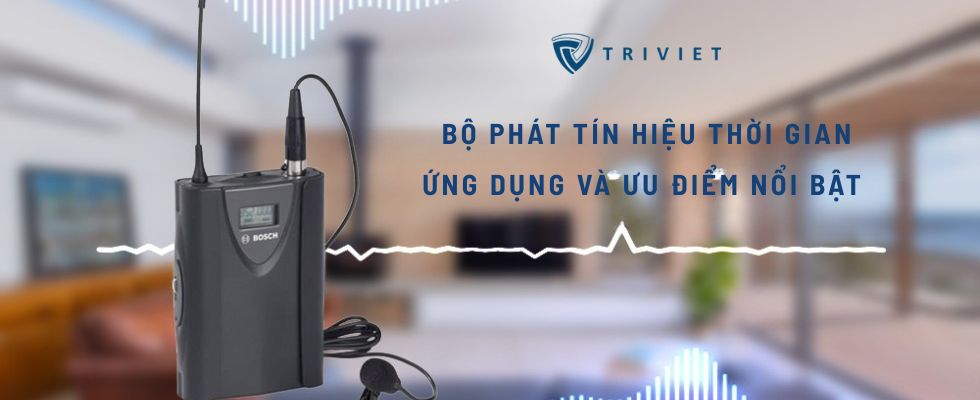
A time signal generator provides accurate time synchronization for BMS, SCADA, Data Centers, and modern automation systems.
Time synchronization accuracy plays an important role in many technical systems, especially in data centers, smart buildings, and automation systems. A time signal generator helps synchronize time across multiple devices within the same system, ensuring accurate operational data, stable performance, and minimizing discrepancies during monitoring and control processes.
A time signal generator is a device used to synchronize time for electrical systems, networks, and automation devices. The device receives a standard time source from GPS, NTP, or RTC, then distributes time signals to devices within the system.
Today, time signal generators are widely used in data centers, BMS systems, surveillance cameras, SCADA, and other systems requiring high time accuracy.
To ensure stable time synchronization, a time signal generator typically includes the following main components:
- Time signal receiving module: Receives standard time data from GPS, NTP Server, or internal RTC.
- Central processing unit: Processes and synchronizes time data before distributing signals to the system.
- Communication ports: Support protocols such as NTP, SNTP, RS232, RS485, or Ethernet.
- Power supply and protection circuit: Ensure stable and continuous operation in technical environments.
- Display or configuration interface: Supports monitoring and configuring device operating parameters.
.jpg)
The operating principle of a time signal generator is based on receiving a standard time source and redistributing it to devices within the system.
The operating process includes the following steps:
- Receiving time signals from GPS or NTP Server
- The processor synchronizes and verifies data accuracy
- Distributing time signals to end devices
- Devices within the system update and synchronize time according to the received signal
Thanks to this mechanism, the time signal generator helps the entire system operate synchronously and minimizes time data discrepancies.
Depending on application requirements, time signal generators are divided into several types:
- GPS time signal generator: Synchronizes time from GPS satellites with high accuracy.
- NTP time signal generator: Synchronizes time through LAN or Internet networks.
- RTC time signal generator: Uses an integrated real-time clock inside the device.
- Industrial time signal generator: Designed specifically for SCADA, BMS, and data center systems.
Choosing the right type of time signal generator helps ensure stable system operation and compliance with practical technical requirements.
.jpg)
Thanks to their precise synchronization capability, time signal generators are widely used in many technical systems requiring consistent operational data:
- Data Centers: Synchronize time between servers, switches, firewalls, and storage systems to ensure accurate event logs.
- BMS and SCADA systems: Support synchronization of monitoring data, alarms, and operation history among multiple control devices.
- Surveillance cameras and Access Control: Ensure consistent timestamps for video recording, attendance tracking, and access control across the entire system.
- Electrical and industrial automation systems: Synchronize time for protection relays, PLCs, power meters, and control devices in factories.
- Servers and enterprise network systems: Ensure log data and network activities are recorded accurately using the same time reference.
In centralized operational systems, time signal generators help reduce data discrepancies, improve event traceability, and enhance overall system stability.
Using a time signal generator provides many benefits for system operations:
- Accurate time synchronization between multiple devices
- Minimized data discrepancies and system log errors
- Improved centralized monitoring and management
- Enhanced stability for automation systems
- Easy integration with LAN, BMS, and SCADA systems
Thanks to these advantages, time signal generators have become essential devices in modern technical systems.
.jpg)
During system selection and deployment, users are often concerned about synchronization capability, connection methods, and practical applications of time signal generators. Below are some common questions:
1. What is a time signal generator used for?
The device is used to synchronize time between multiple systems and devices.
2. Does a time signal generator require Internet access?
Depending on the device type, some models use standalone GPS, while others require an NTP network connection.
3. Can a time signal generator be used for BMS?
Yes. The device is commonly integrated into BMS, SCADA, and Data Center systems.
4. Should I choose GPS or NTP?
GPS is suitable for systems requiring high accuracy and standalone operation, while NTP is suitable for internal network systems.
Tri Viet Controls provides high-quality time signal generators for BMS, SCADA, Data Centers, and industrial automation systems. The solutions are designed to meet precise time synchronization requirements, ensure stable operation, and integrate easily with many modern technical systems.








Please leave your information, we will contact you to complete the order!