A fire can spread within minutes and cause severe damage if it is not detected in time. A Fire Alarm System is an essential solution that helps detect fire hazards at an early stage, issue timely alerts, and support a rapid emergency response. The following article will help you understand the components, operating principles, types of intelligent fire alarm systems, and the key criteria for selecting the right solution for different types of buildings.
What Is a Fire Alarm System?
A Fire Alarm System is a collection of devices designed to detect early signs of fire, such as smoke, heat, or flames, and then activate alarm signals to enable occupants to evacuate safely and initiate emergency response procedures.
The system typically operates automatically, provides continuous 24/7 monitoring, and can integrate with other building systems such as fire suppression, HVAC (Heating, Ventilation, and Air Conditioning), elevators, fire doors, and Building Management Systems (BMS). By detecting fire hazards at an early stage, a Fire Alarm System helps minimize damage to both people and property.
Components of an Automatic Fire Alarm System
A Fire Alarm System operates effectively when all devices are interconnected and work together seamlessly. Each component performs a specific function to detect, process, and notify occupants of fire hazards.
The main components include:
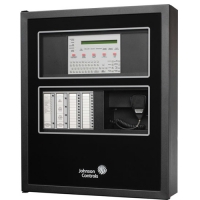
- Fire Alarm Control Panel (FACP): The central processing unit that receives signals from detectors, analyzes the data, and activates alarm devices or integrated control functions when a fire is detected.
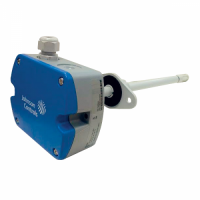
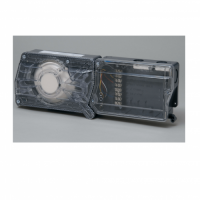
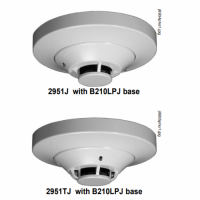
- Fire Detectors: Include smoke detectors, heat detectors, flame detectors, and multi-sensor detectors that continuously monitor the environment for signs of fire.
- Manual Call Point (Manual Pull Station): Allows occupants to manually trigger a fire alarm upon discovering a fire before automatic detectors are activated.
- Alarm Notification Devices: Bells, sirens, horns, and strobe lights quickly notify occupants throughout the building.
- Power Supply and Communication Network: Includes the primary power source, backup batteries, and communication wiring or network infrastructure to ensure continuous operation even during power outages.
(1).jpg)
Operating Principle of a Fire Alarm System
A Fire Alarm System continuously monitors for signs of fire, such as smoke, heat, or flames. When a potential fire is detected, the system processes the signal and activates alarm devices as well as integrated building functions to support emergency response.
The basic operating process includes the following steps:
- Fire Detection: Smoke detectors, heat detectors, or flame detectors continuously monitor the environment and identify abnormal conditions.
- Signal Transmission: When the preset threshold is exceeded, the detector sends a signal to the Fire Alarm Control Panel for analysis and alarm verification.
- Alarm Activation: The control panel activates bells, sirens, and strobe lights while displaying the fire location (for addressable fire alarm systems) to facilitate a faster response.
- Integrated System Control: Depending on the building configuration, the control panel may activate stairwell pressurization fans, smoke extraction fans, fire doors, elevators, voice evacuation systems, or automatic fire suppression systems if integrated.
Through this operating process, a Fire Alarm System enables early fire detection, shortens emergency response time, and helps protect both occupants and property.
Routine Maintenance of a Fire Alarm System
To ensure that a Fire Alarm System is always ready to respond during an emergency, regular inspection and maintenance are essential. Routine maintenance helps identify faulty devices early, reduces false alarms, and ensures reliable system performance.
Maintenance items include:
- Inspect Fire Detectors and Manual Call Points: Verify the operational condition of smoke detectors, heat detectors, flame detectors, and manual call points to ensure accurate fire detection.
- Test Alarm Notification Devices: Check the operation of bells, sirens, strobe lights, and other notification devices to ensure alarms function correctly during emergencies.
- Inspect the Fire Alarm Control Panel and Backup Power: Verify the condition of the control panel, communication circuits, primary power supply, and backup batteries to ensure uninterrupted operation during power failures.
- Clean and Replace Components When Necessary: Clean detectors to prevent dust from causing false alarms and replace aging or deteriorated components to maintain system reliability.
(1).jpg)
How to Choose the Right Fire Alarm System
Selecting the right Fire Alarm System not only ensures compliance with fire safety regulations but also improves operational efficiency and optimizes long-term investment costs.
Key selection criteria include:
- Suitability for Building Type and Size: Residential buildings, offices, factories, hospitals, and shopping malls require different system capacities and deployment methods.
- Scalability: Choose a solution that allows additional detectors or monitoring zones to be added as the building expands.
- Integration Capability: The system should support integration with BMS, HVAC, Access Control, elevators, and fire suppression systems to improve automation.
- Certified Equipment: Select products from reputable manufacturers that comply with relevant fire safety standards and regulations.
- Experienced System Integrator: Choose a qualified provider with expertise in consulting, design, installation, and maintenance to ensure long-term system reliability.
Benefits of Investing in an Intelligent Fire Alarm System
Compared with conventional systems, an Intelligent Fire Alarm System provides more accurate monitoring while enhancing building management and automation.
Key benefits include:
- Fast and Accurate Fire Detection: Quickly identifies the fire location, reducing response time and improving evacuation efficiency.
- Reduced Risk to People and Property: Early warnings help prevent fire spread and minimize damage.
- Real-Time System Monitoring: Facility managers can monitor device status, receive alerts, and respond quickly through centralized management software.
- Integration with Building Systems: Intelligent Fire Alarm Systems can integrate with BMS, HVAC, Access Control, CCTV, and fire suppression systems to enable automated response functions.
- Lower Operating and Maintenance Costs: Centralized monitoring helps identify equipment faults early, reduces manual inspections, and improves maintenance efficiency.
- Easy Expansion and Upgrades: Additional devices and management solutions can be integrated as building requirements evolve.
.jpg)
A Fire Alarm System that is properly designed and installed not only enables early fire detection but also protects people, property, and the continuous operation of buildings. If you are looking for an Intelligent Fire Alarm System for your building, factory, hotel, or shopping mall, contact Tri Viet Controls for professional consultation, system design, and implementation tailored to your project requirements.