Tầng 8, Tòa nhà Sannam, số 78 Phố Duy Tân, P.Dịch Vọng Hậu, Q. Cầu Giấy, Tp. Hà Nội, Việt Nam

Advisory
Direct: 0904565626
Advisory
Direct: 0904565626
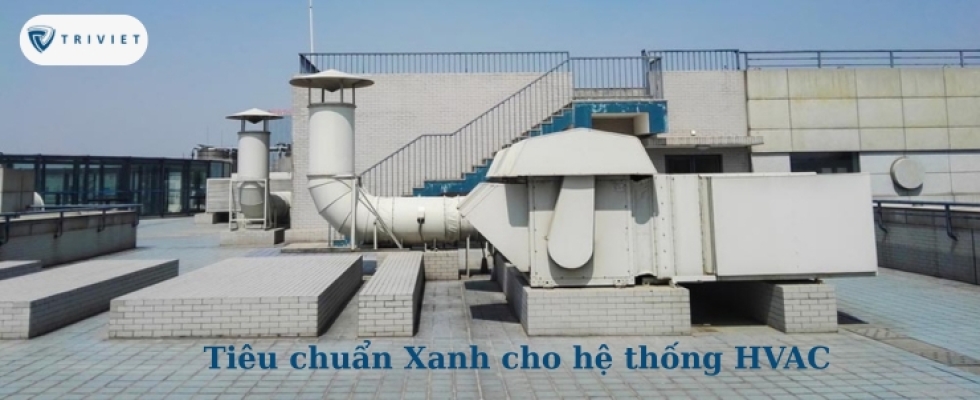
Green HVAC Standards help optimize energy efficiency, improve operational performance, and support buildings in achieving LEED certification through intelligent HVAC automation solutions.
The growing trend of green buildings is placing increasingly higher demands on energy efficiency and the sustainability of building systems. Among these, Green HVAC Standards play a vital role in reducing energy consumption, improving indoor environmental quality, and helping buildings meet the evaluation criteria for LEED certification. This article provides an overview of the applicable standards and explains how HVAC automation solutions contribute to the development of modern green buildings.
LEED (Leadership in Energy and Environmental Design) is a green building certification system developed by the U.S. Green Building Council (USGBC). LEED evaluates buildings based on multiple criteria, including energy efficiency, resource utilization, indoor environmental quality, and sustainability throughout the building's operational lifecycle.
Among these evaluation categories, Green HVAC Standards play a particularly important role because HVAC systems typically account for 30–50% of a building's total electricity consumption, depending on the building type and its intended use. A well-designed and efficiently operated HVAC system not only reduces energy consumption but also improves Indoor Air Quality (IAQ), enhances occupant comfort, and contributes additional points toward LEED certification.
To comply with Green HVAC Standards, buildings commonly combine high-efficiency equipment with intelligent control and monitoring solutions to optimize system performance based on actual operating conditions.
To meet green building requirements, Green HVAC Standards focus not only on energy efficiency but also on improving indoor environmental quality and reducing environmental impacts throughout system operation.
Key requirements include:
High energy efficiency: Select high-efficiency chillers, AHUs, FCUs, fans, and HVAC control valves that meet standards such as ASHRAE 90.1 or local energy codes.
Indoor Air Quality (IAQ) control: Ensure adequate outdoor air ventilation while controlling CO₂ concentration, particulate matter, and humidity in accordance with ASHRAE 62.1 to provide a safe and comfortable indoor environment.
Automation and operational optimization: Implement Building Management Systems (BMS), sensors, and variable frequency drives (VFDs) to regulate airflow, chilled water flow, and temperature based on actual cooling demand, thereby reducing energy consumption.
Reduced refrigerant emissions: Prioritize equipment using refrigerants with low Global Warming Potential (GWP) and minimize refrigerant leakage to reduce environmental impact.
Meeting all the requirements of Green HVAC Standards helps buildings satisfy the energy and environmental criteria within the LEED rating system.
.jpg)
Within the LEED rating system, HVAC energy efficiency and operational performance are among the key factors influencing a building's certification score. HVAC automation enables the system to operate according to actual demand instead of fixed settings, reducing energy consumption, improving equipment performance, and supporting compliance with Green HVAC Standards.
Common automation solutions include:
Demand Control Ventilation (DCV): CO₂ sensors or occupancy sensors automatically adjust the amount of fresh air supplied based on occupancy levels, maintaining indoor air quality while reducing the cooling load.
Variable Speed Drive (VSD/VFD) control for fans and pumps: Variable speed drives adjust fan and pump speeds according to actual cooling demand, preventing unnecessary operation and significantly reducing electricity consumption.
Centralized management through BMS: The Building Management System monitors and controls HVAC equipment—including chillers, AHUs, FCUs, pumps, and fans—on a unified platform while automatically optimizing operating modes based on schedules, weather conditions, or building occupancy.
Energy monitoring and analysis: Collects real-time energy consumption data, evaluates equipment performance, detects abnormal conditions, and provides optimization strategies to maintain long-term operational efficiency.
Optimized scheduling and automatic control: The system can automatically start or stop equipment based on operating schedules, occupied zones, or actual load conditions, eliminating unnecessary energy usage during idle periods.
Through these HVAC automation solutions, buildings can significantly improve energy performance while increasing the likelihood of earning credits within the Energy & Atmosphere (EA) category of LEED.
.jpg)
Implementing Green HVAC Standards together with HVAC automation solutions provides numerous benefits for building owners and facility management teams.
Energy savings: Optimize the operation of fans, pumps, chillers, and AHUs based on actual load conditions, reducing electricity costs.
Improved indoor environmental quality: Maintain stable temperature, humidity, and indoor air quality to create a comfortable working and living environment.
Reduced operating and maintenance costs: Continuous system monitoring enables early fault detection, minimizes equipment downtime, and extends system lifespan.
Support for LEED certification: Compliance with Green HVAC Standards helps buildings earn additional credits in energy efficiency, indoor environmental quality, and sustainable operations.
Enhanced building value: Green-certified buildings typically have lower operating costs, higher occupancy potential, and greater long-term investment value.
Implementing Green HVAC Standards not only improves energy efficiency but also provides a strong foundation for achieving green building certifications such as LEED. By combining high-efficiency HVAC equipment with intelligent HVAC automation solutions and a Building Management System (BMS), building owners can enhance operational performance, reduce lifecycle operating costs, and create more sustainable buildings for the future. If you are looking for HVAC solutions that comply with green building standards, Tri Viet Controls is ready to provide professional consultation and comprehensive technical support.
Building security solutions: Discover how to synchronize energy management with modern access control systems.

Please leave your information, we will contact you to complete the order!