Tầng 8, Tòa nhà Sannam, số 78 Phố Duy Tân, P.Dịch Vọng Hậu, Q. Cầu Giấy, Tp. Hà Nội, Việt Nam

Advisory
Direct: 0904565626
Advisory
Direct: 0904565626
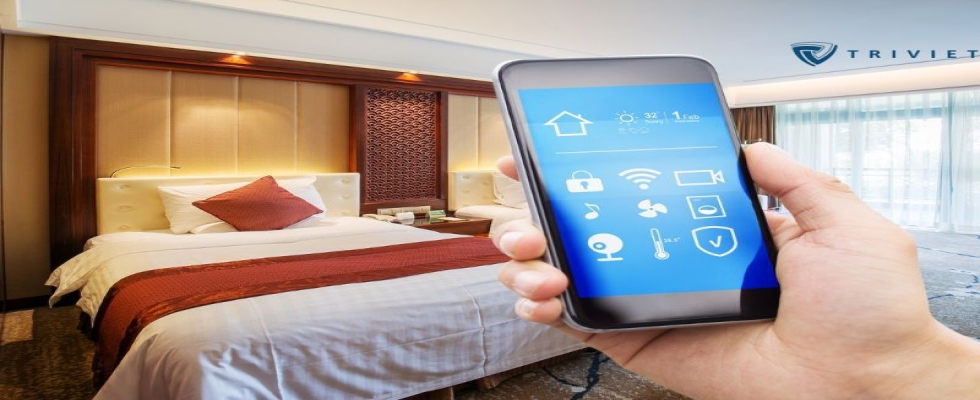
The smart hotel system for hotels is a technology solution that automates operations, enhances customer experience, and optimizes costs. Discover more details now!
In the era of digital transformation, the hospitality industry is no longer limited to providing accommodation but has entered a new phase where technology plays a central role in customer experience. The smart hotel system for hotels is the key solution that helps hospitality businesses enhance service quality, optimize operations, and gain sustainable competitive advantages. So what is this system, how does it work, and what benefits does it bring? Let’s explore in detail below.
A smart hotel system for hotels is an integrated technology solution that enables automation and control of devices and services through an intelligent platform. This system leverages technologies such as IoT (Internet of Things), AI (Artificial Intelligence), and management software to connect all hotel operations into a unified ecosystem.
Guests can control in-room devices such as lighting, air conditioning, curtains, TVs, and more using smartphones, tablets, or voice commands. At the same time, hotel managers can monitor, control, and optimize operations remotely with ease.
Beyond convenience, the smart hotel system for hotels also delivers personalized experiences for each guest, increasing satisfaction and return rates.
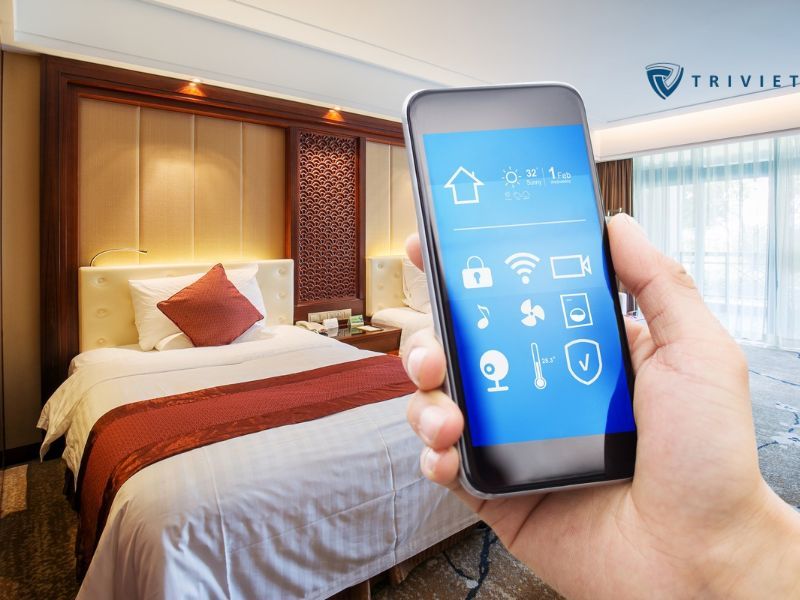
A complete smart hotel system for hotels typically consists of multiple layers to ensure stability and scalability:
This includes smart devices such as:
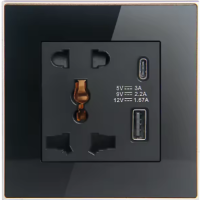
Touch switches
Motion sensors
Smart door locks
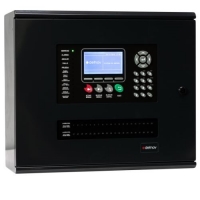
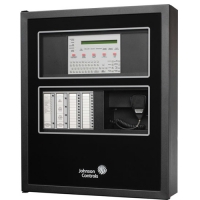
Central controllers
Smart lighting and air conditioning systems
The system uses communication protocols such as:
WiFi
Zigbee
Bluetooth
LAN
This layer ensures fast and stable communication between devices.
.jpg)
Includes central management software that allows:
Remote device control
Automation scenario setup
System monitoring
User interface includes:
Mobile applications
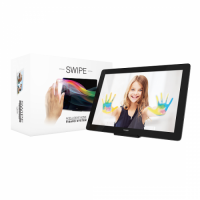
In-room tablets
Central control screens
Thanks to this structure, the smart hotel system for hotels operates flexibly and can be easily upgraded or expanded.
A smart hotel system for hotels is divided into multiple subsystems to optimize functionality:
Allows guests to control:
Lighting
Temperature
Curtains
TV and audio systems
Uses:
RF cards
PIN codes
Facial recognition
Enhances security and convenience.
Automatically turns off devices when rooms are unoccupied, significantly reducing energy consumption.
Manages:
Reservations
Check-in / Check-out
Guest information
Includes:
CCTV cameras
Smoke sensors
Fire alarm systems
These subsystems together form a complete smart hotel system for hotels, ensuring efficient and professional operations.
.jpg)
The smart hotel system for hotels operates based on a closed-loop process including data collection, transmission, processing, and execution:
Data collection: Sensors capture information such as movement, temperature, lighting, and door status.
Data transmission: Information is sent to the central controller via WiFi, Zigbee, or internal networks.
Data processing: The system analyzes data based on predefined scenarios or user behavior.
Action execution: Devices are automatically controlled such as lights, air conditioning, and curtains.
Optimization: Devices are turned off when rooms are unoccupied to save energy.
Example: When a guest enters the room, lights turn on, curtains open, and air conditioning starts automatically.
This mechanism helps reduce manual operations, improve user experience, and optimize hotel management efficiency.
The smart hotel system for hotels is widely applied across various accommodation models:
Luxury hotels: Deliver premium, modern experiences with full smart control.
Resorts: Optimize energy while enhancing guest comfort.
Mini hotels and homestays: Reduce staffing needs and automate operations.
Hotel chains: Enable centralized management across multiple locations.
Hotels implementing smart hotel systems often achieve:
Higher customer satisfaction
Lower operational costs
Stable revenue growth
This proves that smart hotel systems are not just a trend but a strategic solution for sustainable growth.
.jpg)
To choose the right smart hotel system for hotels, consider the following:
Stability: Must operate continuously without interruptions.
Scalability: Easy to upgrade and expand.
Compatibility: Integrates with multiple devices and systems.
User-friendly interface: Easy for both guests and staff.
Cost efficiency: Balance between investment and long-term benefits.
Choosing the right system helps optimize costs and ensures sustainable growth.
.jpg)
Tri Viet Controls is a reputable provider of smart hotel systems in Vietnam, offering:
Customized system design
Turnkey implementation
Advanced technology integration
Long-term maintenance and support
Their experienced technical team ensures stable and optimized system performance.
In today’s competitive hospitality industry, technology adoption is no longer optional but essential. The smart hotel system for hotels not only enhances guest experience but also optimizes operations, reduces costs, and increases profitability. Investing in this solution is a strategic move to stay ahead in the digital era.




Please leave your information, we will contact you to complete the order!