Tầng 8, Tòa nhà Sannam, số 78 Phố Duy Tân, P.Dịch Vọng Hậu, Q. Cầu Giấy, Tp. Hà Nội, Việt Nam

Advisory
Direct: 0904565626
Advisory
Direct: 0904565626
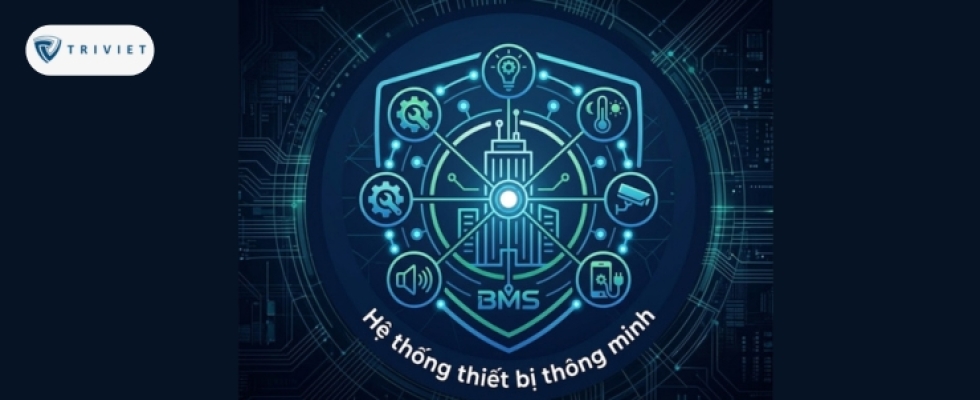
Discover six popular smart home systems that enhance comfort, improve security, and optimize the efficiency of modern home management.
A smart home is not built around a single device but through the seamless integration of multiple systems working together. From lighting and air conditioning to curtains and security sensors, each solution plays a unique role in enhancing comfort, improving safety, and optimizing energy efficiency. Below are six smart home systems that are widely used in modern Smart Home solutions.
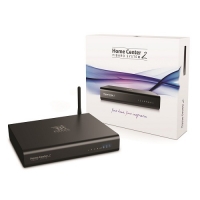
The central controller is the "brain" of the entire smart home system. It is responsible for connecting, processing, and coordinating the operation of all devices within the home.
Connects multiple devices through a single platform.
Synchronizes data across different systems.
Creates automated scenarios based on schedules or specific conditions.
Enables remote control via smartphones or tablets.
Easily expands when new smart devices are added.
See also: Central control unit – Home Center
As an essential part of a smart home system, the smart lighting system automates lighting control, enhances user convenience, and improves energy efficiency.
Remote control: Turn lights on or off using a smartphone or tablet, even when away from home.
Brightness adjustment: Customize lighting intensity to suit different activities, such as reading, relaxing, or entertaining guests.
Lighting scenes: Combine multiple lights into customized lighting modes that can be activated with a single command.
Scheduling and automation: Automatically switch lights on or off based on time schedules, daily routines, or predefined conditions.
Sensor integration: Automatically turn lights on when motion is detected and off when an area is unoccupied, helping reduce electricity consumption.
.jpg)
Among smart home systems, smart curtains provide convenient control over natural light and indoor temperature while improving everyday comfort.
Flexible control: Open or close curtains using a touch switch, smartphone, or remote control.
Scheduled operation: Set automatic opening and closing times according to your daily routine without manual operation.
Voice control: Connect with voice assistants for quick and convenient curtain operation.
Automatic environmental adjustment: Integrate with light or weather sensors to adjust curtain positions based on sunlight intensity.
Smart Home integration: Coordinate with lighting, air conditioning, and other smart devices to create automated home scenarios.
This smart home system enables more efficient management of the water heater, improving convenience while reducing unnecessary energy consumption.
Remote control: Turn the water heater on or off through a smartphone app before use.
Smart scheduling: Set operating times based on daily routines to avoid continuous operation.
Device status monitoring: Check the operating status of the water heater directly from the mobile app.
Automatic power-off: The system can automatically switch off the heater after completing its operating cycle or according to predefined scenarios.
Lower electricity costs: Reduces unnecessary operating time, helping households save energy.
.jpg)
The smart electrical control system is an important component of a smart home, allowing centralized management of electrical devices while automating daily operations.
Control switches and outlets: Turn electrical devices on or off remotely through a mobile application.
Manage multiple devices simultaneously: Group devices by room or area for faster and more convenient control.
Create operating schedules: Automatically run devices based on predefined schedules or conditions.
Monitor energy consumption: Some solutions provide real-time monitoring of each device's electricity usage to optimize energy costs.
Easy scalability: Additional smart devices can be integrated as household needs expand.
Within a smart home system, sensors collect environmental data and automatically trigger connected devices based on predefined automation scenarios.
Motion sensors: Detect human presence to control lighting, air conditioning, or activate security systems.
Door sensors: Monitor the open or closed status of doors and windows and send alerts when abnormal access is detected.
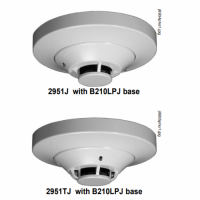
Smoke sensors: Detect signs of fire at an early stage and send notifications to users or the fire alarm system.
Temperature and humidity sensors: Collect environmental data to improve the efficiency of air conditioning and ventilation systems.
Water leakage and gas leak sensors: Detect potential hazards early to minimize property damage and improve household safety.
Automated scenario activation: Sensor data is transmitted to the central controller, enabling coordinated operation across the entire smart home system.
.jpg)
Choosing the right combination of smart home systems allows homeowners to create a more comfortable, secure, and energy-efficient living environment. Depending on individual requirements and project size, homeowners can implement each system separately or deploy a fully integrated Smart Home solution. If you are looking for a smart home solution tailored to your needs, Tri Viet Controls is ready to support you from system design and installation to operation and long-term maintenance.








Please leave your information, we will contact you to complete the order!