Tầng 8, Tòa nhà Sannam, số 78 Phố Duy Tân, P.Dịch Vọng Hậu, Q. Cầu Giấy, Tp. Hà Nội, Việt Nam

Advisory
Direct: 0904565626
Advisory
Direct: 0904565626
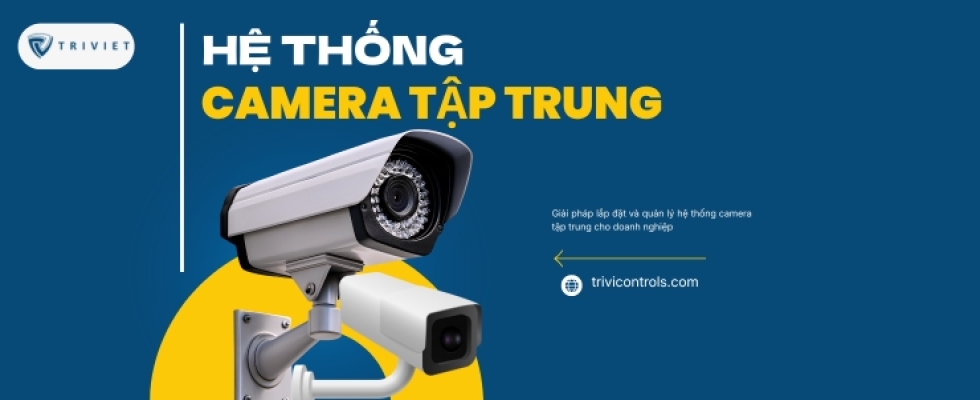
A centralized CCTV system enables businesses to monitor multiple locations from a single platform, improve operational efficiency, and scale with ease. Discover the optimal centralized CCTV installation solution for your business.
As the number of surveillance cameras continues to grow, managing each device individually no longer meets the operational requirements of modern businesses. A centralized CCTV system enables organizations to monitor, store, and manage all cameras through a unified platform, improving security management, optimizing operations, and allowing seamless expansion as the business grows.
A centralized CCTV system is a surveillance architecture in which all IP cameras are connected to a central management platform (VMS, NVR, or server), allowing users to monitor, record, and manage video data from multiple locations through a single interface.
Unlike standalone camera management, a centralized CCTV system enables businesses to monitor multiple branches, assign user access permissions, manage surveillance data centrally, and integrate with systems such as Access Control or BMS.
As businesses expand across multiple floors, buildings, or branch locations, managing separate camera systems becomes more costly, makes data control more complex, and increases administrative workload. A centralized CCTV system connects all cameras to a unified management platform, improving surveillance efficiency while optimizing day-to-day operations.
- Centralized monitoring of the entire system: Administrators can monitor video feeds from multiple cameras, buildings, or branches through a single interface, enabling faster incident detection and response.
- Efficient data management: Video footage is stored centrally and can be searched by time, location, or event, making data retrieval faster and more accurate.
- Enhanced security and access control: A centralized CCTV system allows user permissions to be assigned based on roles, preventing unauthorized access and protecting surveillance data.
- Easy scalability as the business grows: Additional cameras, new branches, or system upgrades can be implemented without replacing the existing management infrastructure.
- Remote monitoring and management: Managers can access the system from computers or mobile devices to monitor operations anytime, anywhere, while receiving real-time alerts when incidents occur.
Thanks to these advantages, centralized CCTV systems have become the preferred solution for businesses seeking to improve security management, optimize operations, and support future expansion.
.jpg)
To ensure stable surveillance performance, simplified management, and future scalability, a centralized CCTV system is typically designed with multiple functional layers, where each component performs a specific role in collecting, transmitting, and managing surveillance data.
Edge Device Layer (Cameras): Consists of IP cameras installed in monitoring areas such as offices, factories, parking lots, or corridors. The cameras capture video and transmit data to the central platform through the network.
Network Layer: Uses LAN, WAN, or fiber-optic infrastructure to transmit video data from cameras to the server. For large-scale deployments, the network must provide sufficient bandwidth and reliability to ensure continuous video transmission.
Central Management Layer (VMS/NVR): This is the core component of the centralized CCTV system, responsible for video storage, management, recording, user access control, and supporting video search and playback when required.
Monitoring and Operations Layer: Administrators access the system through computers, web browsers, or mobile applications to view live video, receive alerts, and manage the entire surveillance system from a single interface.
Depending on the number of cameras, business scale, and management requirements, a centralized CCTV system can be designed with the most suitable architecture to maximize investment efficiency while supporting future expansion.
Small businesses: Typically deploy a centralized CCTV system using an NVR combined with IP cameras, providing cost-effective surveillance for offices, retail stores, or warehouses while remaining easy to manage.
Medium-sized businesses: Utilize VMS software together with a dedicated management server to support a larger number of cameras, centralized storage, user access management, and multi-site monitoring from a single platform.
Large enterprises and multi-branch organizations: Deploy a centralized VMS architecture with redundant servers, SAN/NAS storage systems, and connections from multiple branches to a central control center. This model enables stable management of hundreds or even thousands of cameras simultaneously.
Factories and industrial facilities: The centralized CCTV system is integrated with BMS, Access Control, SCADA, or alarm systems to synchronize operational data, enhance security monitoring, and streamline facility management through a unified platform.
Selecting the appropriate centralized CCTV architecture not only satisfies current operational needs but also allows businesses to expand and upgrade their surveillance systems more easily in the future.
.jpg)
Selecting the right implementation partner is essential to ensuring the efficiency and long-term stability of a centralized CCTV system. A reliable provider offers more than equipment—they provide professional consultation, system design, implementation, and ongoing technical support throughout the system's lifecycle.
Proven implementation experience: Choose a provider with successful projects for offices, factories, commercial buildings, or multi-branch enterprises of similar scale.
Tailored solution consulting: The provider should conduct an on-site assessment and recommend a centralized CCTV architecture that aligns with your surveillance requirements, budget, and future expansion plans.
Genuine equipment with seamless integration: Use cameras, recorders, and VMS software from reputable manufacturers that support the ONVIF standard and integrate easily with BMS, Access Control, and other security systems.
Highly qualified technical team: The provider should have expertise in system design, network configuration, storage optimization, and ensuring stable operation after deployment.
Comprehensive warranty and long-term support: Regular maintenance services, prompt technical assistance, and the ability to upgrade the centralized CCTV system as the business expands are essential for long-term reliability.
A centralized CCTV system that is properly designed and professionally implemented enables businesses to improve surveillance efficiency, centralize data management, and strengthen security across the entire facility. At the same time, the solution can be easily expanded and integrated with other management systems as operational requirements evolve. If you are looking for a centralized CCTV system that fits your business size, Tri Viet Controls is ready to provide professional consultation and deliver an optimized solution that meets both your technical and long-term operational needs.
See also: Maximize monitoring efficiency with genuine smart system management software from Trí Việt Controls.







Please leave your information, we will contact you to complete the order!